
LinkedIn Lead Generation Automation: A Complete Guide
Quick answer: LinkedIn lead generation automation uses software to run outreach, follow-ups, and connection requests at scale, so a small team can reach many of the right people without doing every step by hand. The difference between results and a burned account is quality: a tight list, warm accounts, real personalization, safe sending, and fast human follow-up. This guide is the playbook for doing it well.
What is LinkedIn lead generation automation?
LinkedIn lead generation automation is the use of tools to handle repetitive outreach tasks on LinkedIn: sending connection requests, messaging sequences, follow-ups, and sometimes email steps alongside them. Instead of manually contacting each prospect, a team defines a target audience and a sequence, and the software runs it.
Done well, it lets a lean team operate at a scale that would otherwise need several people. Done badly, it becomes automated spam that annoys prospects, damages your brand, and risks your LinkedIn account. The tooling is the easy part. The strategy and the guardrails are what separate a pipeline engine from a nuisance.
Why quality matters more than volume
The instinct with automation is to send more. In B2B, that instinct is wrong. Your audience is small and specific, decision-makers are used to being spammed, and LinkedIn actively limits aggressive behavior. Volume without relevance does not scale results; it scales the reasons people ignore or report you.
Quality at scale is the real goal, and it is achievable. It means reaching the right people with a relevant message at a safe pace, and following up like a human would. The teams that win at LinkedIn lead generation automation are not the ones sending the most messages; they are the ones whose automated outreach still feels considered. Everything below is built to protect that.
The LinkedIn Lead Generation Automation Playbook
Strong automation follows a sequence of stages, each with a guardrail that keeps quality intact. Skip a stage and the whole system tips toward spam.
Stage | Goal | The guardrail |
|---|---|---|
1. Target | A tight, well-defined list | List quality over list size |
2. Warm | Familiarity before outreach | Do not message cold strangers at volume |
| Relevance at scale | Personalize the opening and the reason, not fake tokens everywhere |
4. Sequence | Automated, safe delivery | Human-paced limits and cloud sending |
5. Respond | Fast human follow-up | No reply waits more than a day |
6. Measure | Learn from real signals | Track positive replies and meetings, not messages sent |
1. Target: start with a tight list
No tool rescues a bad list. Define a narrow ICP and build a target list of the exact accounts and roles you want, using filters or a data source rather than a broad search. A smaller, precise list beats a large, loose one every time, because relevance is what earns replies and protects your reputation.
2. Warm: earn familiarity before you automate
Cold automated outreach converts poorly. Before a sequence runs, the account should have seen you, whether through your content, your engagement on their posts, or advertising. When a prospect recognizes your name, the first message is not truly cold, and reply rates reflect that. Warming is the single biggest lever on automation performance, and the one most teams skip.
3. Personalize: relevance at scale, not fake tokens
Personalization at scale does not mean inserting a first name and a company variable into a generic template. Buyers see through that instantly. Personalize the opening line and the reason you are reaching out, tied to something real about the account, and keep the rest genuinely useful. It is better to personalize the few things that matter than to sprinkle tokens that signal automation.
4. Sequence: automate safely
This is where the tools do their work, and where accounts get banned. Keep sending within human-paced daily limits, use cloud-based tools with safe sending where possible, and warm up new accounts gradually. A sequence that reacts to behavior, pausing when someone replies and branching on a connection accept, performs better and looks more natural than a rigid blast.
5. Respond: follow up fast, as a human
Automation gets the reply; a person must act on it. A positive reply that sits for three days goes cold. Route replies to a human, remove that contact from the automation immediately, and follow up quickly. The handoff from automated outreach to real conversation is where deals are won or lost.
6. Measure: track the signals that matter
Messages sent flatters a report and tells you nothing. Track connection acceptance, reply rate, positive-reply rate, and meetings booked. These reveal whether the system is producing pipeline or just activity, and they tell you which stage to fix when results dip.
The LinkedIn outreach automation tools landscape
Several tools run this kind of automation, and they differ mainly in safety model, channels, and who they suit. As a brief landscape:
HeyReach: LinkedIn outreach across many sender accounts, built for agencies and volume.
Expandi: cloud sending with a dedicated IP and advanced sequences, safety-focused.
Waalaxy: a simple, low-cost starting point for solo users.
Dripify: simple cloud drip campaigns with team features.
Lemlist: email-led multichannel outreach with strong personalization.
Skylead: multichannel smart sequences combining LinkedIn and email. For comparable tools, see our guide to Skylead alternatives for LinkedIn and email outreach.
Linked Helper: a low-cost legacy desktop tool with deep control. If you're moving off it, compare the best Linked Helper alternatives for safer cloud options.
For a detailed comparison of these tools, see our guide to the best Dripify alternatives for LinkedIn automation. The tool matters less than the playbook above; a good tool run without warming or personalization still produces spam.
Common mistakes to avoid
Blasting a broad list. Volume without relevance scales the reasons people ignore you. Start tight.
Skipping the warming step. Cold automation underperforms. Warm accounts before the sequence runs.
Faking personalization. Token-stuffed templates read as automated. Personalize what is real, not everything.
Ignoring safety limits. Aggressive sending risks account bans. Stay within human-paced volumes.
Leaving replies unattended. A slow follow-up wastes a warm reply. Hand off to a human within a day.
Where a done-for-you model fits
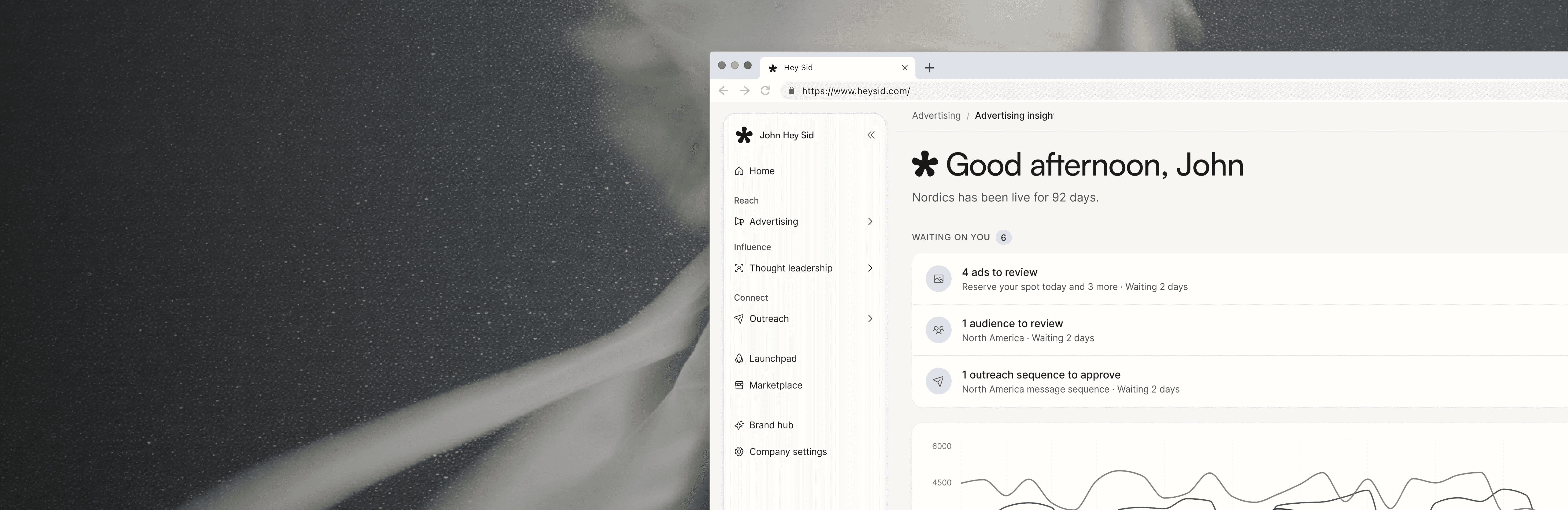
Running this playbook well takes time and attention, and not every team has an operator to give it. That is where a managed model helps. Hey Sid runs the whole motion as a service: it warms target accounts with advertising and thought leadership, then reaches the same people through outreach, so quality and safety are handled for you rather than left to a tool. It suits teams that want the outcome without operating automation, and it is not the right fit if you want hands-on control of your own sequences. If that fits, see how it works or book a demo.
How to measure LinkedIn lead generation automation
Judge the system on quality signals over a realistic timeline. Early on, watch connection acceptance and reply rate to see whether your targeting and messaging land. Then track positive-reply rate and meetings booked, which reveal whether replies are turning into pipeline. Because B2B cycles are long, measure influenced pipeline over weeks and months rather than counting messages sent in a day. If a number dips, the playbook tells you where to look: weak acceptance points to targeting, weak replies to messaging or warming, and weak meetings to the handoff.
How to set up your first automated workflow
If you are starting from zero, resist the urge to launch a big campaign. Build one small, careful workflow and expand from what works.
Connect one account and one domain. Start with a single LinkedIn account and, if you are adding email, one domain. Warm the domain before sending.
Load a tight test list. Pick 50 to 100 accounts that fit your ICP precisely, not a broad export. A small, relevant list tells you whether the message works without risking your account.
Write one sequence with a real reason. Draft a short sequence whose opening ties to something true about the accounts, and keep the steps human and few.
Send at low volume. Stay well within safe daily limits at first. You are testing relevance, not chasing reach.
Read the signals and adjust. After a couple of weeks, look at acceptance and reply quality, and fix the weakest stage before you scale volume or add a channel.
Only once a single workflow performs should you raise volume, add accounts, or layer in a second channel. Scaling a workflow that does not work just scales the problem.
Signs your automation has tipped into spam
Automation drifts toward spam quietly, and the warning signs show up before LinkedIn acts. Watch for them.
Falling acceptance and reply rates. If connection acceptance or replies drop as volume rises, your outreach is being seen as noise.
Rising negative responses. Requests to stop, or annoyed replies, mean the message is landing wrong or the targeting is off.
Warnings or restrictions. Any nudge from LinkedIn about activity is a signal to slow down immediately, not to push through.
Generic replies to a personalized message. If people respond as though they received a template, your personalization is not real enough.
When you see these, the fix is almost always to slow down, tighten the list, and make the message more relevant, not to switch tools. Spam is a strategy problem, and a new tool run the same way produces the same result.
Conclusion and next steps
LinkedIn lead generation automation works when it protects quality at scale. Start with a tight list, warm accounts before you automate, personalize what is real, sequence safely, follow up fast, and measure the signals that matter. The playbook, not the tool, is what turns automation into pipeline instead of spam.
If you would rather have warming and outreach run for you at a quality bar you do not have to police, explore how Hey Sid works or read more in our resources.
FAQ
What is LinkedIn lead generation automation?
It is the use of software to run LinkedIn outreach tasks at scale, such as connection requests, messaging sequences, and follow-ups, so a small team can reach many of the right prospects without doing each step manually. Done well it drives pipeline; done badly it becomes spam that risks your account, so strategy and guardrails matter as much as the tool.
Is LinkedIn lead generation automation allowed?
LinkedIn restricts automation and can limit or ban accounts that behave aggressively, so it carries real risk. Tools with safe, cloud-based sending and conservative limits reduce that risk but do not remove it. The practical approach is to stay within human-paced volumes and focus on relevance rather than blast outreach, which protects both your account and your brand.
How do I automate LinkedIn outreach without getting banned?
Keep sending within human-paced daily limits, use a tool with safe sending and warm up new accounts gradually, and prioritize a tight, relevant list over volume. Aggressive, high-volume outreach is what triggers restrictions. Slower, more relevant automation is not only safer but usually more effective, because it earns replies instead of reports.
What is the best tool for LinkedIn lead generation automation?
It depends on your needs: HeyReach for multi-account volume, Expandi for safety and advanced sequences, Waalaxy or Dripify for simple starts, and Lemlist or Skylead for multichannel outreach. The tool matters less than how you use it, though. A strong tool without warming, personalization, and fast follow-up still produces poor results.
How long does LinkedIn lead generation automation take to work?
Connection and reply signals appear within the first few weeks, but meetings and pipeline take longer in considered B2B buying. Judge early performance on reply quality rather than volume, and give sequences enough runway to reach the accounts that were not ready on the first touch, since much of the value comes from warmed follow-up over time.
Can LinkedIn lead generation automation replace a sales team?
No. Automation handles the repetitive top of the funnel, connecting and following up at scale, but people still qualify leads, handle real conversations, and close deals. The best setups use automation to create warm replies and then hand them to a human quickly. Treating automation as a full replacement for salespeople produces volume without conversion.
How much does LinkedIn lead generation automation cost?
Self-serve tools range from low monthly fees for simple options to higher tiers for agency-grade platforms, so the software itself is usually modest. The larger cost is the time to run it well, or the cost of a managed service if you want it handled. Judge cost against the pipeline it produces, not the sticker price of the tool.
Sources
Original element used in this article: the LinkedIn Lead Generation Automation Playbook created for this article, which sets out six stages, each with a guardrail that protects quality at scale.